Start Stock Investing With Demat For Simple Portfolio Clearly
Stock market investing requires a suitable account for holding securities electronically. A Demat Account allows investors to hold shares and other eligible securities in digital form instead of maintaining physical certificates. It can be used alongside a trading account to complete the process of buying and selling investments.
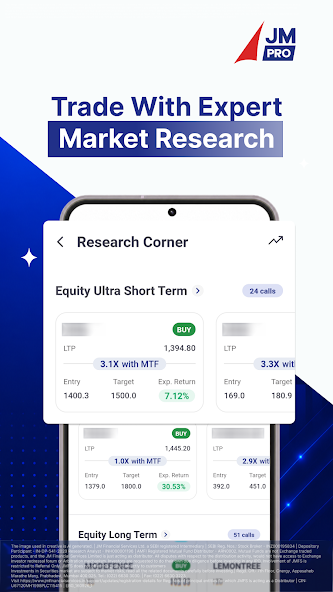
For new investors, Demat Account Opening is an important first step toward participating in the stock market. Once the account is opened and linked with the necessary services, investors can view their holdings, review transactions, and manage their portfolio through an online platform.
What Is a Demat Account?
A Demat account is an electronic account used to hold securities such as shares in digital form. The term Demat refers to the process of converting physical securities into electronic records.
When an investor purchases shares through a trading account, the securities are credited to the linked Demat account after the applicable settlement process. When shares are sold, the securities are debited from the Demat account as part of the transaction.
This arrangement allows investors to maintain their securities electronically and access their holdings through the platform provided by their account provider.
Why a Demat Account Is Required
A Demat account provides a digital record of securities owned by an investor. It removes the need to maintain physical certificates for securities held electronically.
Investors can also access information about their holdings and transactions through their account. This can make it easier to maintain records and review a portfolio over time.
How Demat Account Opening Works
The Demat Account Opening process can generally be completed online through a registered intermediary or financial service provider. Investors are required to provide personal information and complete the applicable identity verification and documentation process.
The exact requirements can vary depending on the provider and applicable regulations.
Once the verification process is completed, the account can be activated according to the provider's procedures.
Documents and Information Required
Investors generally need to provide identity and address information along with other details required for account verification. Banking information may also be required when connecting the investment account with other financial services.
Applicants should ensure that the information submitted is accurate and matches the relevant official records. Incorrect details can result in delays during the account-opening process.
Completing the Verification Process
Online account opening may include digital verification methods. Investors should follow the instructions provided by the account provider and complete all required steps.
Before submitting an application, it is useful to review the information entered and confirm that all required documents are available.
Demat Account and Trading Account Difference
A Demat account and trading account have different functions, although they generally work together.
The trading account is used to place buy and sell orders in the market. The Demat account is used to hold the securities electronically after the transaction is settled.
For example, when an investor purchases shares, the order is placed through the trading account. After settlement, the shares are credited to the linked Demat account.
When the investor sells those shares, the transaction is initiated through the trading account and the securities are debited from the Demat account according to the applicable process.
Understanding the Connection
The combination of these accounts creates a digital process for investing in listed securities. Investors should understand the role of each account so they can follow their transactions and holdings correctly.
Some platforms provide both trading and Demat services through a single interface, while others may separate certain services.
Features to Consider When Choosing a Demat Account
Before completing Demat Account Opening, investors should review the features and conditions offered by different providers.
Account Charges
Review applicable account maintenance charges, transaction-related fees, brokerage, taxes, and other costs. The actual charges can depend on the services used and the type of transactions conducted.
Understanding these costs before opening an account can help investors maintain accurate investment records.
Portfolio Access
Investors should be able to view their securities holdings and relevant account information easily. A clear portfolio display can make routine monitoring more convenient.
Portfolio values may change as market prices move, so investors should distinguish between current market value and the original amount invested.
Transaction Records
Transaction records can show purchases, sales, credits, debits, and other account activity. Regularly reviewing these records can help investors maintain accurate records and identify unfamiliar transactions.
Account Statements
Account statements provide additional information about holdings and activity. Investors may use these statements when reviewing their investment history or maintaining personal financial records.
Managing a Portfolio Through a Demat Account
A Demat Account provides the infrastructure for holding securities, but portfolio management requires regular attention from the investor.
Investors can review their holdings periodically and consider whether their investments continue to match their financial goals and time horizon.
It is also useful to maintain records of purchase prices, transaction dates, and other relevant details. These records can help investors understand portfolio changes over time.
Diversifying Investments
Investors may hold securities across different companies or sectors depending on their investment strategy. Diversification can help avoid concentrating the entire portfolio in a single security or segment.
However, diversification does not eliminate market risk. Investors should understand each security before adding it to their portfolio.
Security Practices for Demat Accounts
A Demat account contains important financial information, so protecting account access is essential.
Investors should keep login credentials confidential and avoid sharing passwords, PINs, one-time passwords, or other authentication information.
They should also verify transaction notifications and account statements regularly. Any unfamiliar activity should be reported through the official support channel of the relevant service provider.
Keeping Account Information Updated
Investors should keep their contact details and other account information updated. Changes to banking information, address details, or other records may require additional verification.
Following the provider's procedures for updating information can help maintain accurate account records.
Common Mistakes New Investors Should Avoid
New investors sometimes focus only on opening a Demat account without understanding the costs and services attached to it. Reviewing the complete fee structure before opening an account can prevent unexpected charges.
Another mistake is buying securities without understanding the underlying company or investment. A Demat account provides access to the market, but it does not determine whether an investment is suitable.
Investors should also avoid making decisions based solely on short-term price movements or market discussions. Research, financial objectives, risk tolerance, and investment horizon should be considered before making investment decisions.
Starting Stock Investing With Proper Planning
After Demat Account Opening, investors should take time to understand how orders, settlements, holdings, and transaction statements work.
New investors can begin by learning basic stock market concepts and understanding the companies or securities they are considering. They should also determine how much capital they can allocate without affecting their regular financial needs.
A well-maintained account can make it easier to review investments, but successful portfolio management depends on the investor's decisions and understanding of market risks.
Conclusion
A Demat Account provides a convenient electronic system for holding shares and other eligible securities. It works alongside a trading account to support the process of buying and selling investments while maintaining digital records of holdings.
Demat Account Opening is an important step for investors who want to participate in the stock market. Before opening an account, investors should compare charges, account features, transaction facilities, security measures, and support services. After opening the account, regular portfolio reviews, accurate record keeping, and informed investment decisions can help maintain an organized approach to stock investing.